
The Foundation of Men's Nutrition
Understanding the fundamentals of nutrition is essential for maintaining overall wellbeing and vitality. This comprehensive guide explores the nutrients, vitamins, and dietary principles that support men's general health and daily functioning.
Educational content only. No promises of outcomes.

Key Vitamins for Men: Essential Micronutrients Explained
Vitamins are organic compounds that play crucial roles in virtually every bodily function. They support energy production, immune response, bone health, and cognitive function. Unlike macronutrients, your body cannot produce most vitamins on its own, making dietary intake essential.

Fat-Soluble Vitamins
Vitamins A, D, E, and K are stored in body fat and are essential for vision, bone health, immune function, and blood clotting. Sources include leafy greens, nuts, eggs, and fatty fish.
Learn more →
Water-Soluble Vitamins
B vitamins and vitamin C are water-soluble, meaning they're not stored in the body and must be consumed regularly. They support energy metabolism, nerve function, and immune health. Found in whole grains, legumes, and fresh produce.
Learn more →
Vitamin Functions in Daily Life
Each vitamin plays distinct roles from supporting vision and immune response to facilitating energy production and muscle function. Adequate vitamin intake contributes to overall vitality and healthy aging.
Learn more →Minerals and Their Role: Beyond Vitamins, Vital Elements
Minerals are inorganic substances that serve structural and functional roles throughout the body. Calcium strengthens bones, iron carries oxygen in blood, zinc supports immune function, and magnesium regulates muscle and nerve activity.
Major minerals like calcium, phosphorus, and sodium are needed in larger quantities, while trace minerals such as iron, zinc, and selenium are equally important despite being needed in smaller amounts.
A balanced diet incorporating various whole foods ensures adequate mineral intake, supporting everything from bone density to cardiovascular function.

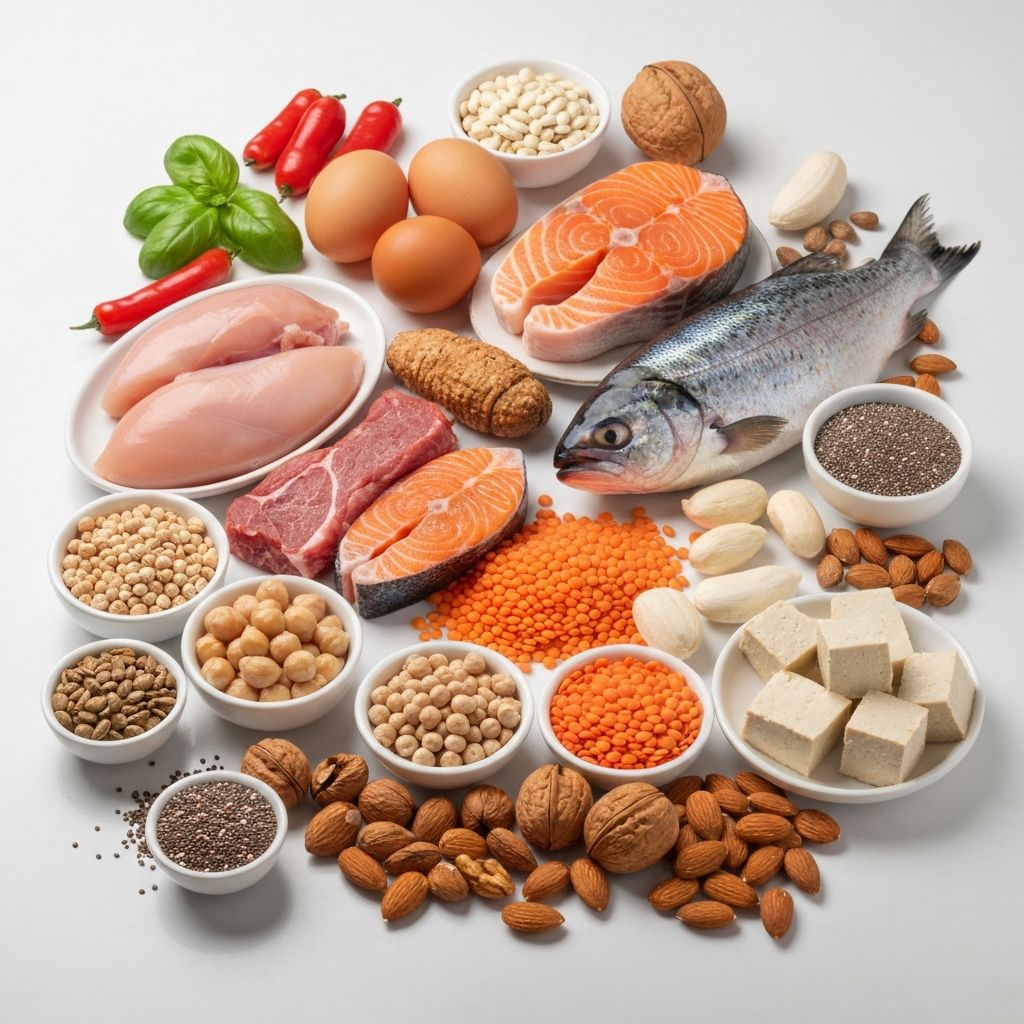
Protein Sources for Energy: Building Blocks of Strength
Protein is composed of amino acids, which are essential for building and repairing tissues, producing enzymes, and creating hormones. Men require adequate protein for muscle maintenance, recovery, and various metabolic processes.
Both animal-based sources (meat, fish, eggs, dairy) and plant-based sources (legumes, nuts, seeds, soy) provide complete or complementary amino acid profiles. Varying your protein sources ensures diverse nutrient intake.
Incorporating protein across all meals supports satiety, metabolic health, and sustained energy throughout the day.
Healthy Fats Explained: Understanding Dietary Fats
Dietary fats are essential for absorbing fat-soluble vitamins, supporting hormonal function, and maintaining cellular health. Not all fats are created equal—understanding the differences helps guide healthier choices.
Types of Dietary Fats
- Monounsaturated Fats: Found in olive oil, avocados, and nuts. Support heart health and nutrient absorption.
- Polyunsaturated Fats: Include omega-3 and omega-6 fatty acids from fish, flax, and walnuts. Important for brain and cardiovascular function.
- Saturated Fats: Present in animal products and tropical oils. Needed in moderate amounts for hormone production.
- Trans Fats: Artificial fats to minimize. Focus on whole food sources of fats.
Incorporating a variety of fat sources supports overall health, energy levels, and the absorption of important nutrients.
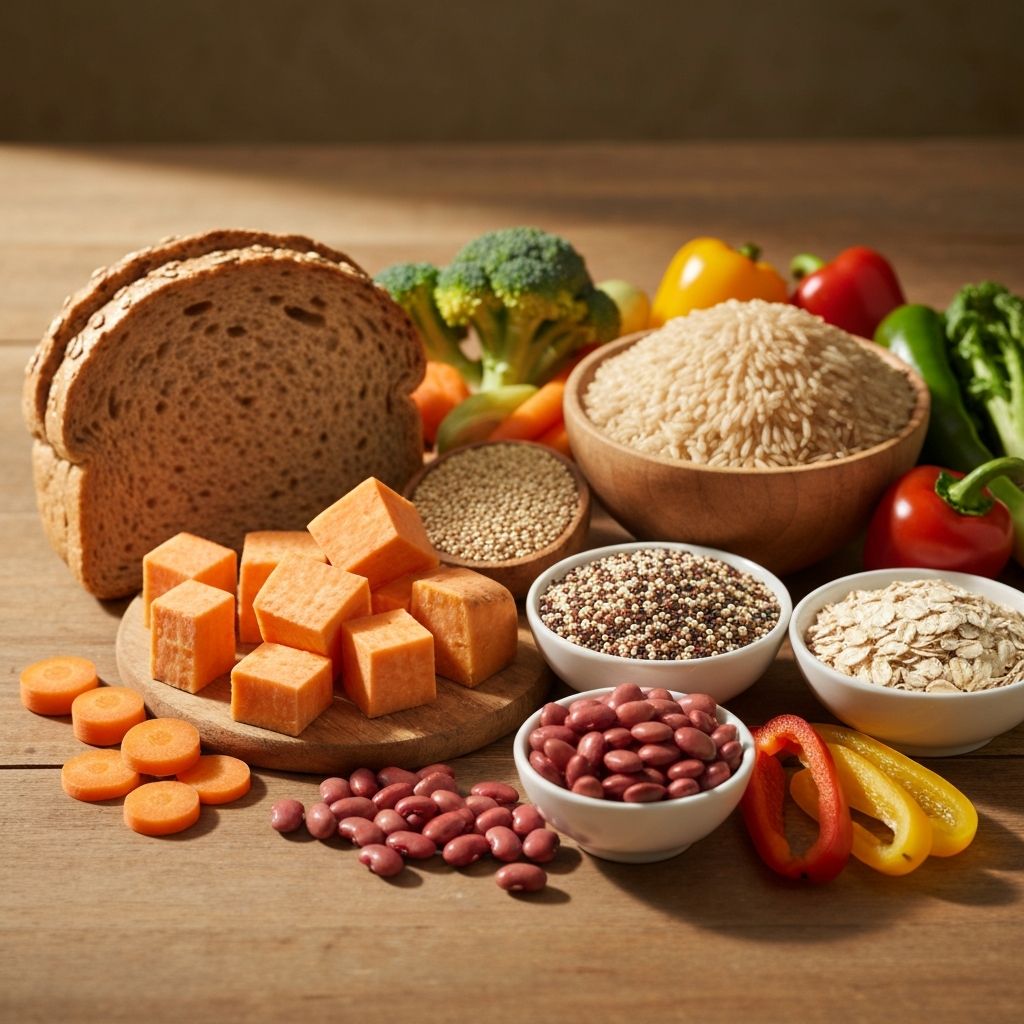
Carbohydrates: Fueling Your Body, Energy for Daily Life
Carbohydrates are the body's preferred energy source, providing fuel for the brain, muscles, and organs. Not all carbohydrates are equal—quality matters significantly for sustained energy and health.
Complex carbohydrates (whole grains, vegetables, legumes) offer fiber, nutrients, and sustained energy. Simple carbohydrates (fruits, honey) provide quick energy but are best paired with other nutrients.
Fiber, found primarily in plant-based carbohydrates, supports digestive health, blood sugar regulation, and overall wellbeing. A balanced approach to carbohydrates supports energy, athletic performance, and daily vitality.
Antioxidants and Phyto-nutrients: Protecting Cellular Health
Antioxidants are substances that protect cells from oxidative damage caused by free radicals. Phyto-nutrients are plant compounds with various protective properties. Together, they support cellular health and longevity.
Sources include colorful vegetables and fruits (berries, dark leafy greens, tomatoes), whole grains, nuts, and legumes. The variety of colors in whole foods typically indicates diverse antioxidant and phyto-nutrient profiles.
A diet rich in antioxidant sources supports overall health, energy levels, and the body's natural cellular protection mechanisms.

Hydration for Wellbeing: The Importance of Water
Water comprises approximately 60% of the human body and is essential for every cellular function. Proper hydration supports temperature regulation, nutrient transport, cognitive function, and physical performance.
Hydration Guidelines
- Individual water needs vary based on climate, activity level, and overall health.
- Plain water is the primary source of hydration; other beverages contribute but may contain added sugars or caffeine.
- Monitoring thirst and urine color are practical indicators of hydration status.
- Physical activity and hot climates increase fluid requirements.
Consistent adequate hydration supports energy, cognitive clarity, physical performance, and overall wellbeing.
Balanced Diet Principles: Crafting Your Nutritional Approach
A balanced diet incorporates a variety of whole foods across all nutrient categories, providing the spectrum of vitamins, minerals, and macronutrients needed for optimal function.
Key principles include:
- Variety: Different foods provide different nutrient profiles.
- Whole Foods: Prioritize minimally processed options with intact nutrients.
- Portions: Appropriate serving sizes support energy balance.
- Consistency: Regular meals and snacks support stable energy and metabolism.
- Individual Factors: Age, activity level, and personal circumstances influence specific needs.

Lifestyle and Nutrition Synergy: Holistic Health
Nutrition works synergistically with other lifestyle factors to support overall wellbeing. Sleep quality, physical activity, stress management, and social connections all interact with nutritional status to influence health outcomes.
Complementary Lifestyle Factors
- Physical Activity: Supports muscle health, cardiovascular function, and nutrient utilization.
- Sleep Quality: Affects hunger hormones, metabolic function, and recovery.
- Stress Management: Influences eating patterns and nutrient absorption.
- Social Connection: Supports consistent healthy eating patterns and overall wellbeing.
A holistic approach that integrates good nutrition with other healthy lifestyle practices supports sustained vitality and wellbeing.
Dispelling Nutritional Myths: Facts vs. Fiction
Nutrition is surrounded by misinformation and oversimplified claims. Understanding evidence-based information helps cut through confusion and supports better dietary choices.
Common misconceptions include:
- Not all carbohydrates are "bad"—quality and context matter significantly.
- Fat is essential and not inherently unhealthy when sourced wisely.
- Single foods don't create health—overall dietary patterns do.
- Nutritional needs are individual and vary based on many factors.
- Supplements can support but not replace a balanced diet.
Glossary of Nutritional Terms: Key Definitions
Understanding common nutritional terminology helps interpret dietary information and make informed choices.
| Term | Definition |
|---|---|
| Micronutrients | Vitamins and minerals needed in small amounts for proper function. |
| Macronutrients | Proteins, carbohydrates, and fats needed in larger quantities for energy and structure. |
| Amino Acids | Building blocks of protein; some are essential and must come from diet. |
| Antioxidant | Substance that protects cells from oxidative damage. |
| Bioavailability | The degree to which a nutrient can be absorbed and utilized by the body. |
| Complete Protein | Protein containing all essential amino acids. |
| Fiber | Plant material not digestible by humans, supporting digestive health. |
| Glycemic Index | Measure of how quickly a food raises blood glucose levels. |
| Nutrient Density | The amount of nutrients relative to the calories in a food. |
| Phyto-nutrients | Plant compounds with potential protective properties. |
General Dietary Guidelines: Recommendations for Men
While individual nutritional needs vary, evidence-based guidelines provide a framework for supporting optimal health:
- Consume a variety of whole foods including vegetables, fruits, whole grains, lean proteins, legumes, nuts, and healthy fats.
- Prioritize nutrient density—choose foods that provide maximum nutrition relative to calorie content.
- Include diverse sources of protein throughout the day.
- Maintain consistent meal patterns to support stable energy and metabolism.
- Stay adequately hydrated with water as the primary beverage.
- Limit highly processed foods, added sugars, and excessive sodium.
- Adjust portions and overall intake based on individual activity levels and body composition goals.
- Remember that nutrition is one component of health—physical activity, sleep, and stress management are equally important.
Explore the Depths of Nutritional Science
This guide provides foundational knowledge about nutrition and its role in supporting men's wellbeing. For personalized guidance related to specific health circumstances, consult with healthcare professionals.
Educational content only. No promises of outcomes.
View frequently asked questions →